
Amsterdam’s latest cannabis decision matters more than you think. For years, Amsterdam considered banning tourists from purchasing cannabis at coffeeshops. The argument was simple: fewer cannabis tourists might mean fewer problems.
The goal of policy is to reduce nuisance tourism and ease pressure on the city. Policymakers were then forced to confront another difficult question: What happens when demand remains, but legal access disappears?

People who want cannabis often continue looking for it. The question becomes whether they find it through licensed businesses operating under clear rules, or through unregulated markets with little accountability.
This month, the city stepped away from that proposal. Amsterdam’s decision does not mean the city has embraced total cannabis tourism. Quite the opposite. Officials are looking at ways to better manage tourism and ensure visitors contribute to the costs they create. Instead of restricting access, Amsterdam is increasingly focusing on managing tourism itself through taxation and regulations.
The shift is subtle but important.
As countries around the world continue to refine cannabis regulations, Amsterdam serves as a reminder that effective policy is not measured by how strict it sounds, but by whether it achieves its intended outcomes.
This should be an important case study for Thailand and the rest of Asia, as governments across the region debate cannabis policy, it is worth examining what happens after legalization, after public debate, and after decades of real-world experience?
How do we balance public health, tourism, business, community concerns, and personal freedom? There may not be a perfect answer. After more than five decades of cannabis tolerance, Amsterdam remains one of the world’s most valuable setups for understanding what works, what doesn’t, and why.
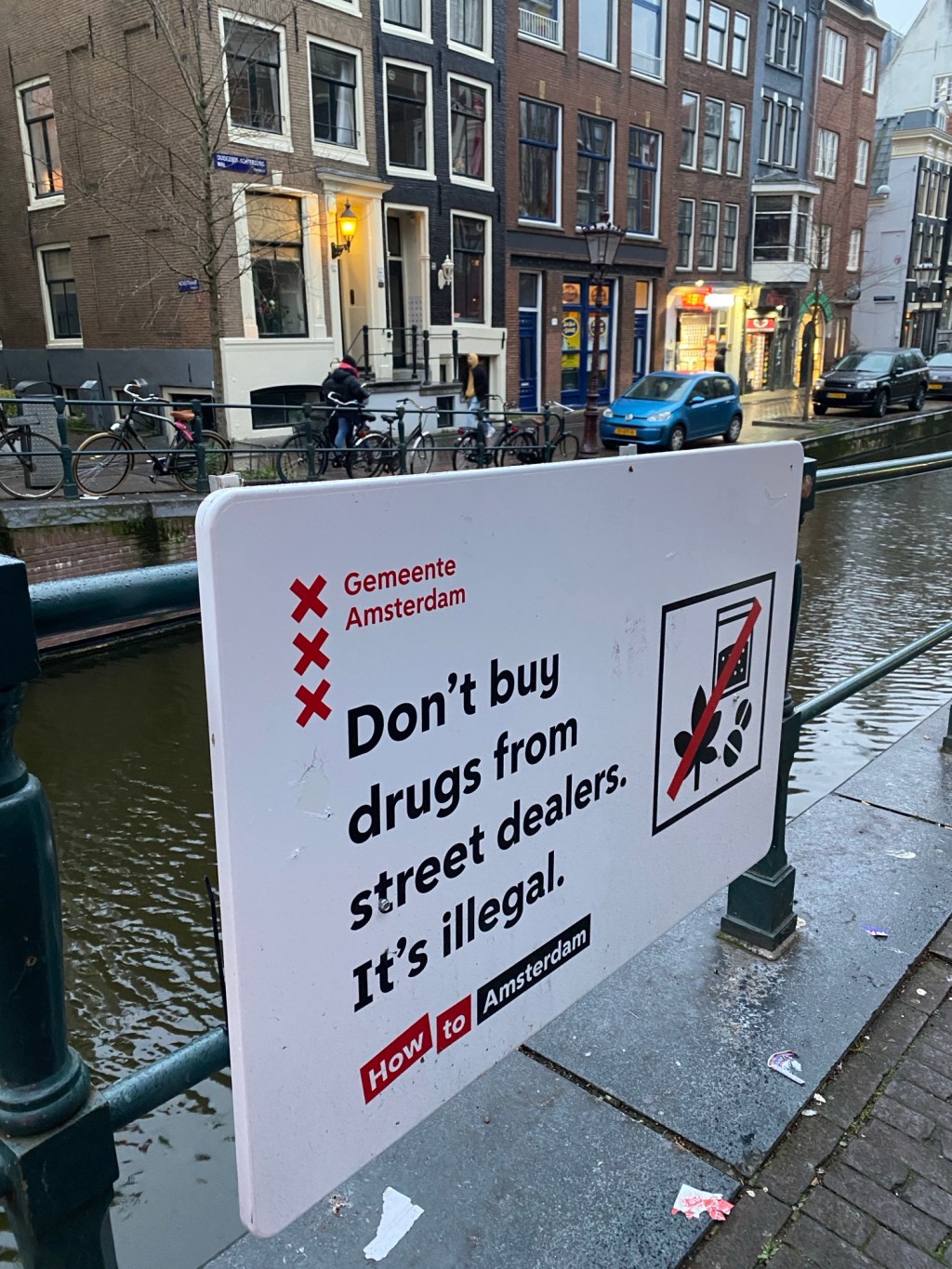
Reaffirming a simple principle: Demand does not disappear because policymakers wish it away. It simply moves.
From regulated shops to street dealers.
From licensed businesses to unlicensed ones.
From a place where products can be monitored to a place where nobody knows what is being sold.
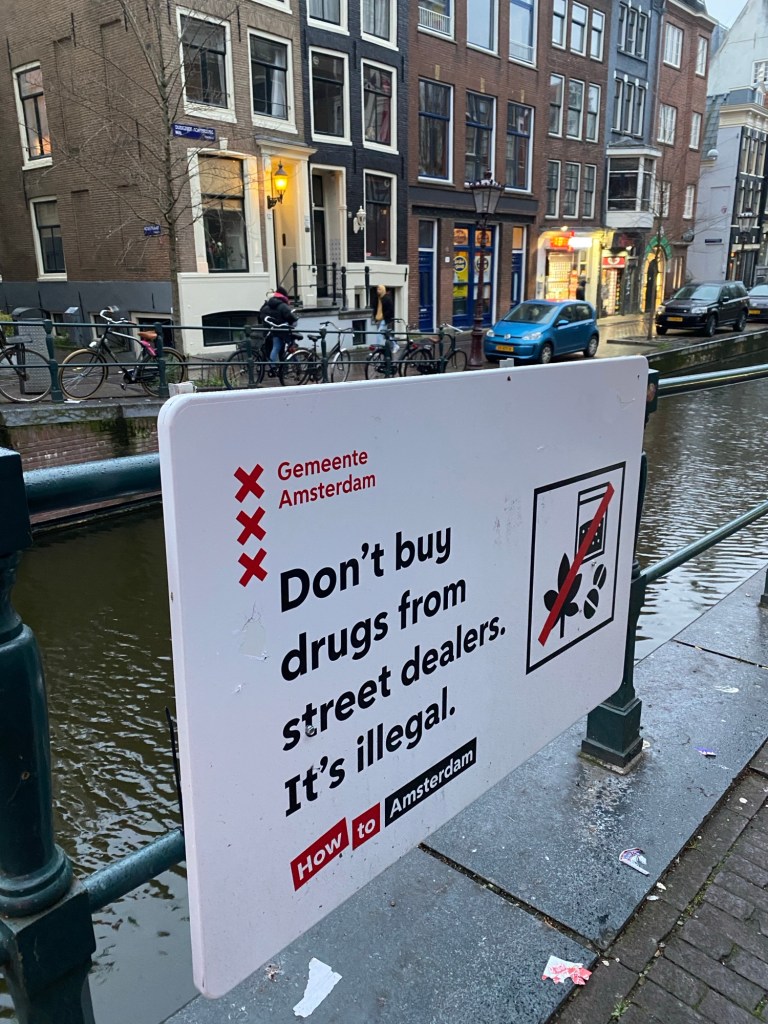
Restricting access does not necessarily reduce demand. Consumers rarely vanish. Instead, many simply migrate toward unregulated markets where governments have less oversight, fewer consumer protections, and fewer opportunities to reduce harm.
The lesson for policymakers is clear:
- Demand is easy to push underground.
- Managing it responsibly is much harder but often more effective.
After years of debate, Amsterdam appears to be stepping back from the idea of banning tourists from coffeeshops. Instead, the city is looking at managing tourism itself through taxes and other measures.
Thailand is still young. We are still arguing over recreational and medical, while others are debating how best to govern something that exists and in demand. The question is where society wants that demand to go. Into licensed businesses that pay taxes and can be inspected? Or into the shadows?
Every country eventually has to answer that question. Amsterdam may have already done the homework.
 Humble Haze
Leave a comment